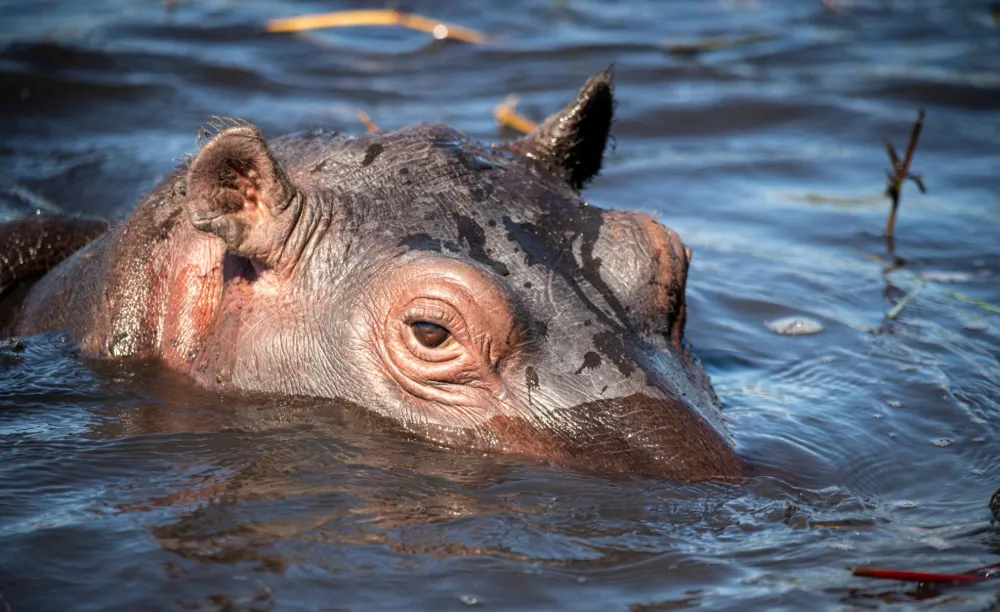
Do Hippos Sweat Blood?
No, hippos do not literally sweat blood. Hippopotamuses produce a special skin secretion that is initially nearly colorless but turns reddish-orange and eventually brown. Its appearance comes from two natural pigments, hipposudoric acid and norhipposudoric acid, rather than blood. Research has shown...
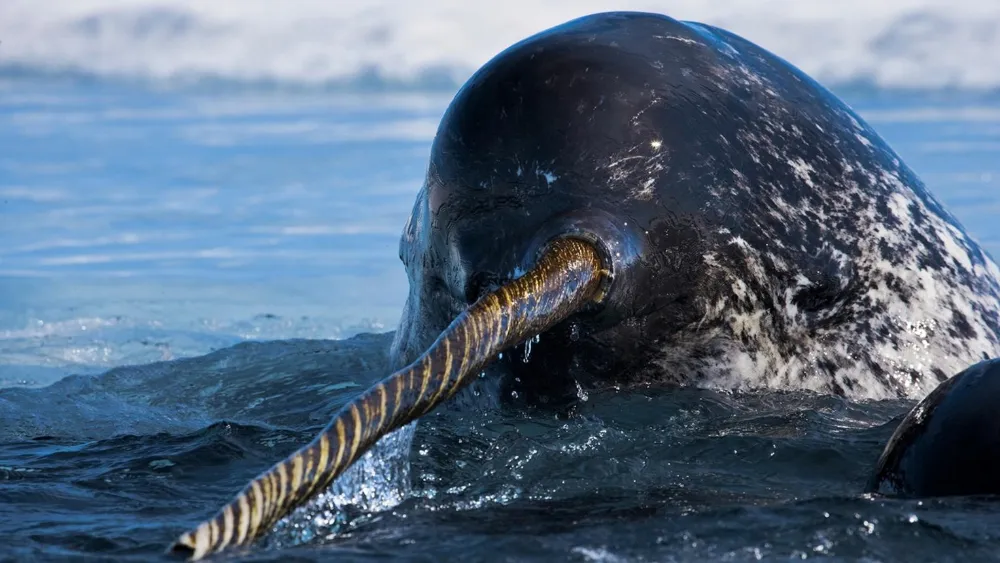
Why Do Narwhals Have Tusks?
Narwhals have tusks primarily because the elongated tooth is thought to play a role in sexual selection, especially in interactions among males. The tusk is not a horn: it is a modified tooth that usually grows from the left side of the upper jaw and projects forward through the upper lip. Scientifi...
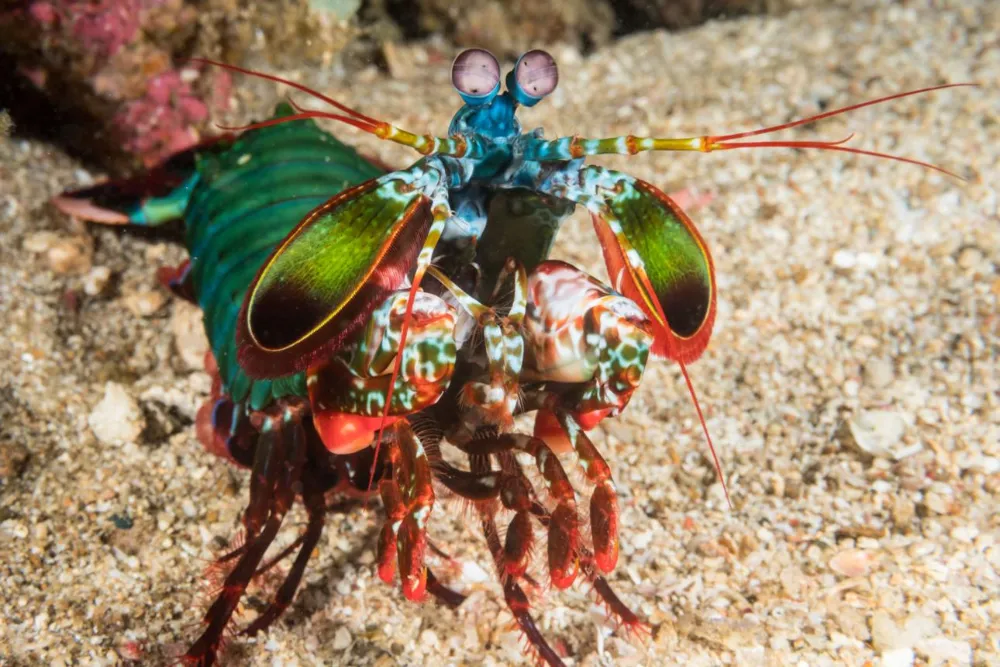
Why Do Mantis Shrimp Punch So Hard?
Mantis shrimp punch so hard because they use a spring-loaded striking system rather than relying on muscle contraction alone. Powerful muscles gradually store energy in elastic parts of the exoskeleton, and a latch-like mechanism helps control its sudden release. In the peacock mantis shrimp, this p...
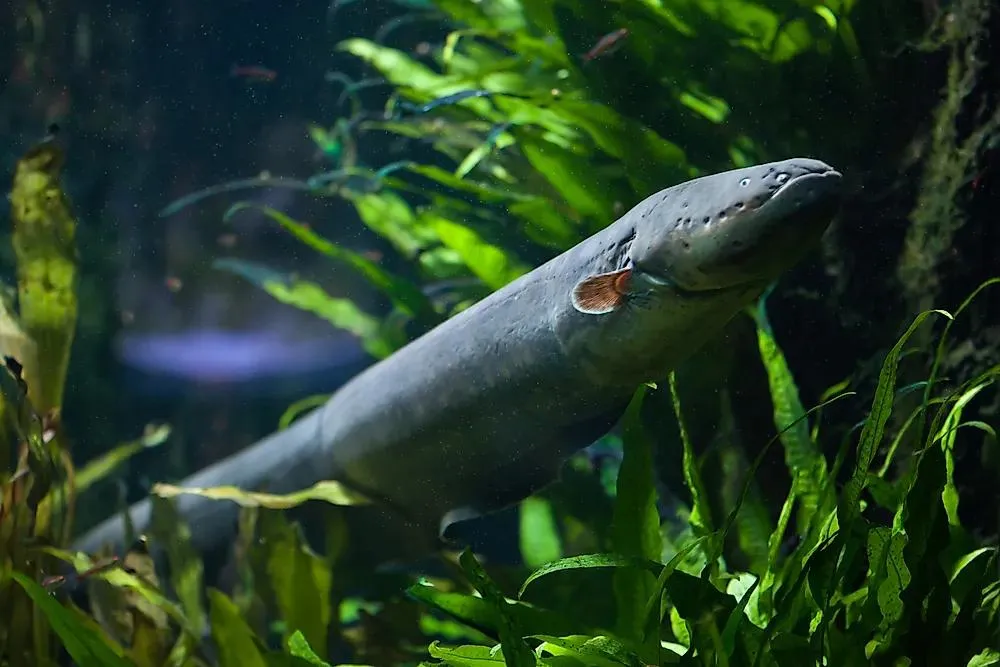
How Do Electric Eels Produce Electricity?
Electric eels produce electricity using specialized cells called electrocytes, which are arranged in large stacks inside their electric organs. When nerve signals activate these cells, charged ions move across their membranes, creating small electrical differences. Thousands of electrocytes working...
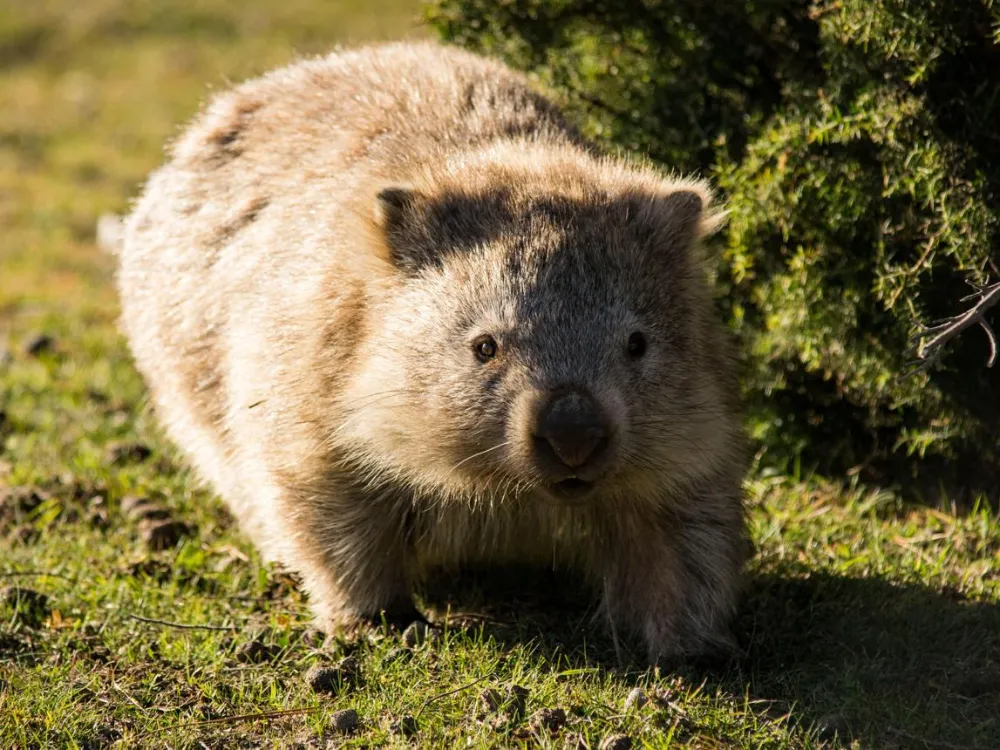
Why Do Wombats Poop Cubes?
Wombats produce cube-shaped poop because their intestines have regions with different mechanical properties. As digested material moves through the final part of the intestine, it becomes drier and is shaped by repeated muscular contractions. Researchers found that alternating stiffer and more flexi...
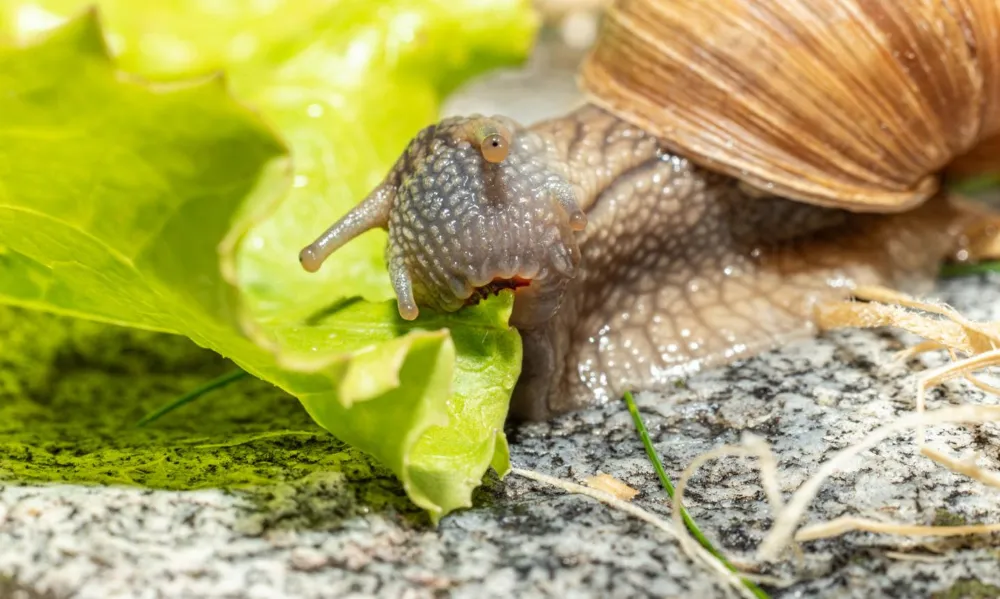
Do Snails Have Teeth? How Snail Teeth Work
Yes, snails have teeth, but they are very different from human teeth. Most snails feed using a specialized ribbon-like structure called a radula, which is covered with rows of tiny tooth-like projections. These microscopic teeth help scrape, cut, or collect food. Some snails have thousands of radula...